


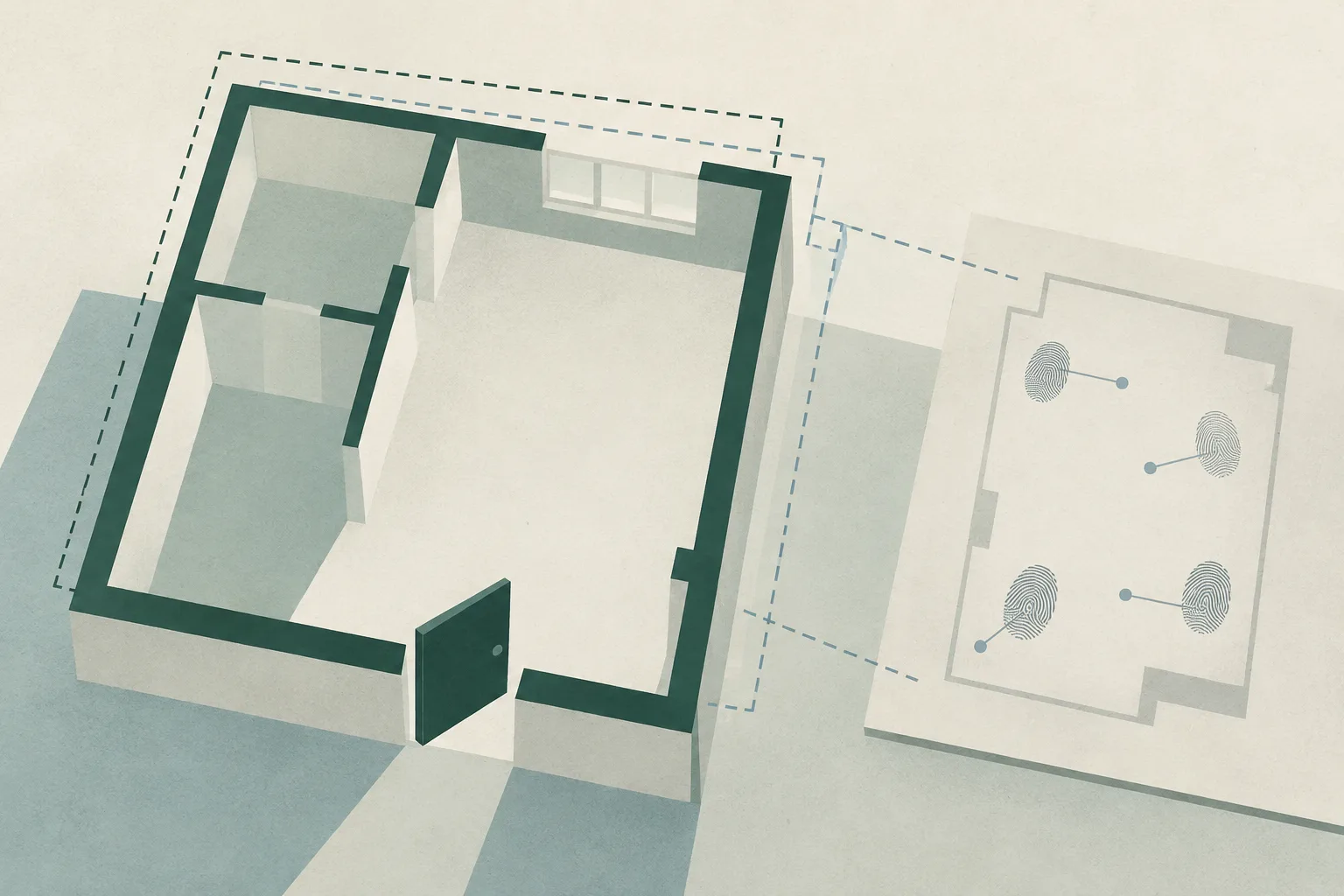
On the trial’s 25th day, the defence questioned whether the first police entry into the unit had affected evidence before the scene was sealed.
The officer acknowledged that the five officers who initially entered wore gloves and masks, though not protective clothing. He said he alone searched, while colleagues watched for anyone else inside, and denied the defence’s claim that they also searched or touched evidence.
The officer said he found human remains in a refrigerator, alerted a superior and was told to leave while the unit was cleared and sealed because it might be a murder scene.
He testified that he later collected a hammer from the unit and saw no blood on it. In response to defence questions, he said that did not mean it was unrelated to the crime.
A forensic officer testified that prints collected at the unit were labelled and numbered, with their locations recorded and photographs taken. The prosecution said a defendant’s right index-finger print had been found on the refrigerator; the officer said he lifted a print from its lower-left central area.
The prosecution said DNA evidence was not disputed. The defence said it disputed prints on a telecommunications-service contract, but not most of the other fingerprints.