


The High Court began hearing on August 21, 2026, the case against 38-year-old Tsung Pui-ki, a former assistant supervisor at a Hong Chi Association residence for people with disabilities in Tai Po. He is charged with five counts of raping a female resident or trainee during July and August 2024, and has pleaded not guilty to all five charges.
The charges allege that the incidents took place on July 13, July 21, July 28, August 3 and about August 9, 2024. The prosecution says four alleged incidents occurred in a room used by male staff, while another took place after the defendant allegedly entered the complainant’s room late at night.
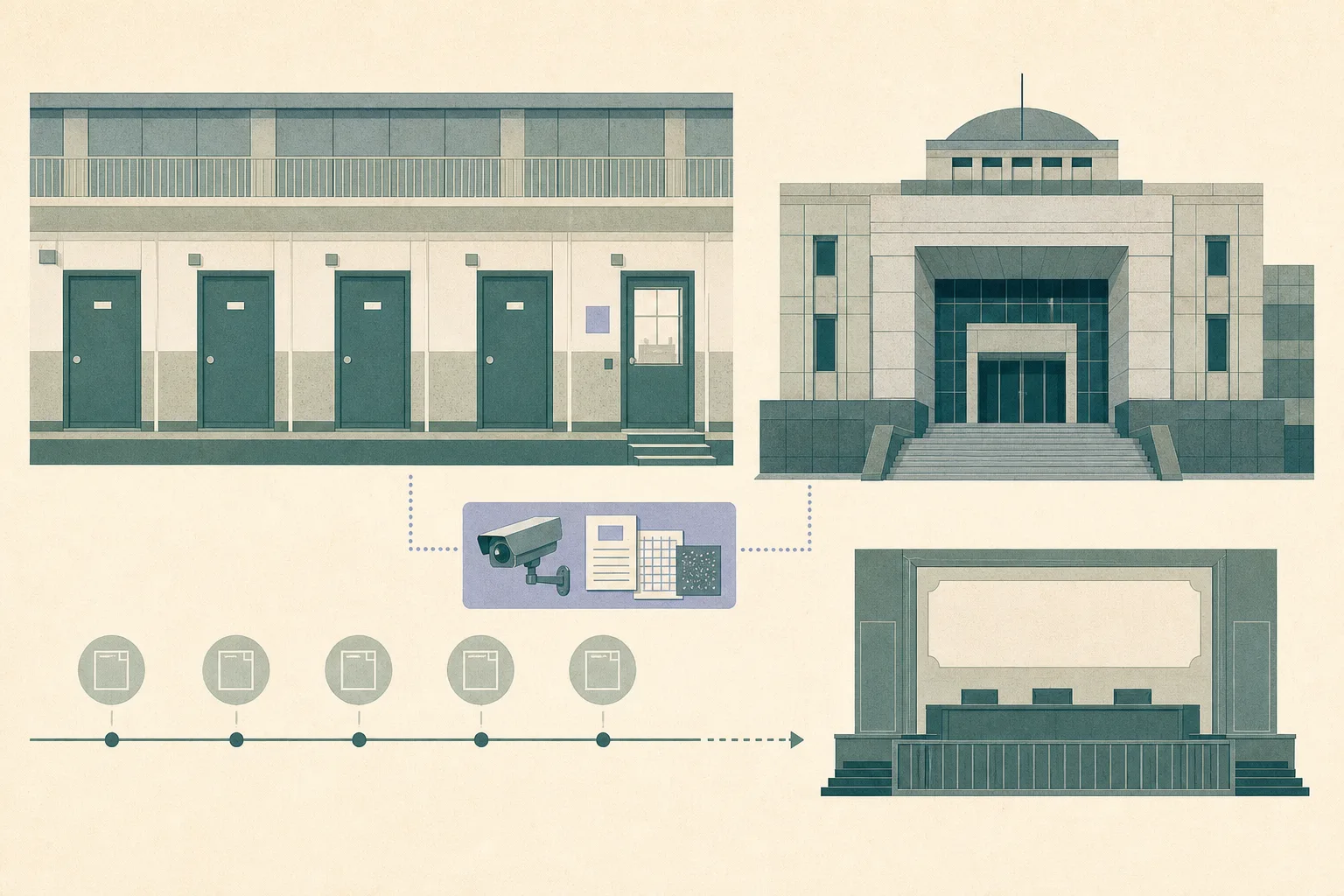
The prosecution told the court that police reviewing CCTV footage found the defendant taking the complainant into the male staff room on four occasions and entering her room once at night. The footage is being relied on as part of the prosecution case; it does not by itself establish that a rape occurred.
According to the prosecution’s opening, the complainant said in two recorded interviews that the defendant asked her into a room, locked the door and removed both their clothes before allegedly penetrating her. She allegedly said she initially did not resist because she was afraid of being scolded. The prosecution also said she described pain and discomfort, and alleged that the defendant told her not to be too loud and ejaculated on her abdomen without using a condom. These are allegations that have not been determined by the court.
The prosecution is also expected to present forensic evidence. It said forensic officers found the defendant’s semen on the complainant’s bedsheet, while police reportedly recovered lubricant, condoms and a male genital spray from the male staff room. The items and their significance remain matters for the court to assess during the trial.
The prosecution said it plans to call 12 witnesses. The complainant is expected to give evidence through a television link next Monday, while the jury consists of five men and two women. Prosecutors reminded jurors that her language and communication abilities are limited and that she might not give evidence in chronological order. The defence case is yet to be heard, and the court will determine the verdict.