


The government plans to establish the Building Maintenance Support and Services Council by the end of 2026, offering owners a paid service to organise building inspections and procure repair work. It has proposed HK$413 million in funding for the council.
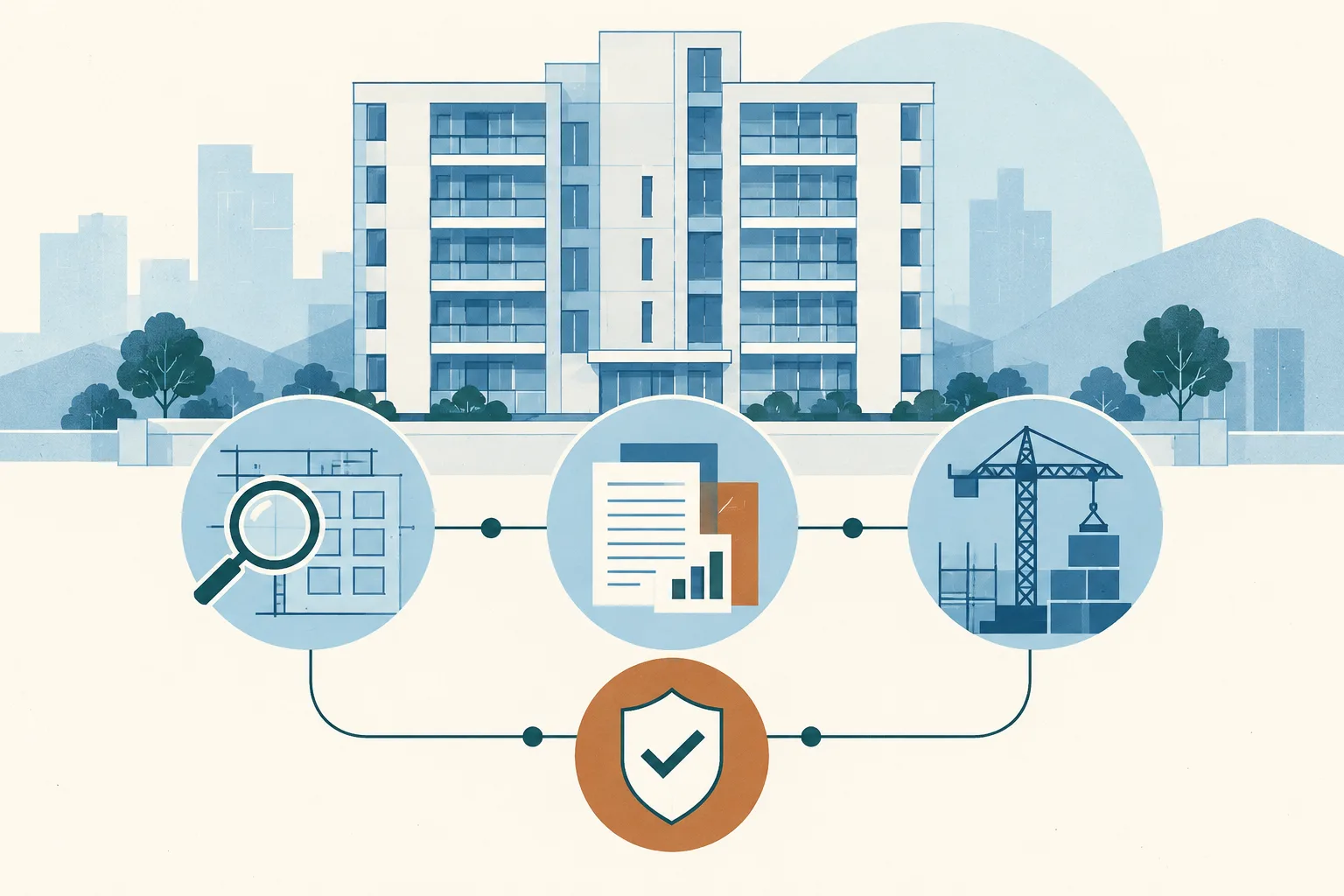
The service is intended to guide owners through the process: arranging inspections, finding consultants and contractors, preparing tenders, evaluating bids and monitoring whether the appointed firms meet their contractual duties. The council would manage three pre-screened lists covering inspection consultants, consultants who prepare tenders and supervise works, and construction contractors.
The government’s target is to start publishing and managing those lists in December 2026. The council aims to begin assigning inspection consultants to participating owners in January 2027, then start tendering projects during the first quarter.
Development Secretary Bernadette Linn Hon-ho said repair costs depend on market conditions and the complexity of each project. Responding to concerns that the new service could add to owners’ bills, she said some current repair budgets were exaggerated or falsely reported, and argued that closer checks and competition among more pre-screened firms should help reduce inflated costs.
Under the proposed checks, a supervising consultant would have to report in advance if the scope of work or its cost needed to rise substantially during construction. The council’s board would set indicators for cost changes against the project’s estimated budget after the body is established.
The council is expected to prioritise 1,800 cases already in an existing repair-tender support scheme. Linn said she believed its financial resources would be sufficient to handle them. Separately, the Buildings Department issues inspection orders to about 300 or more residential or mixed-use buildings each year. Linn suggested slowing the flow of new cases during the council’s early period, while saying inspection orders would still be issued for buildings posing substantial risks.