


Hong Kong police received more than 50 reports of investment scams in the week ending 26 August 2026, involving reported losses of more than HK$30 million. The cases included an alleged scheme in which fraudsters posed as employees of CLP Power Hong Kong and State Grid Corporation of China.
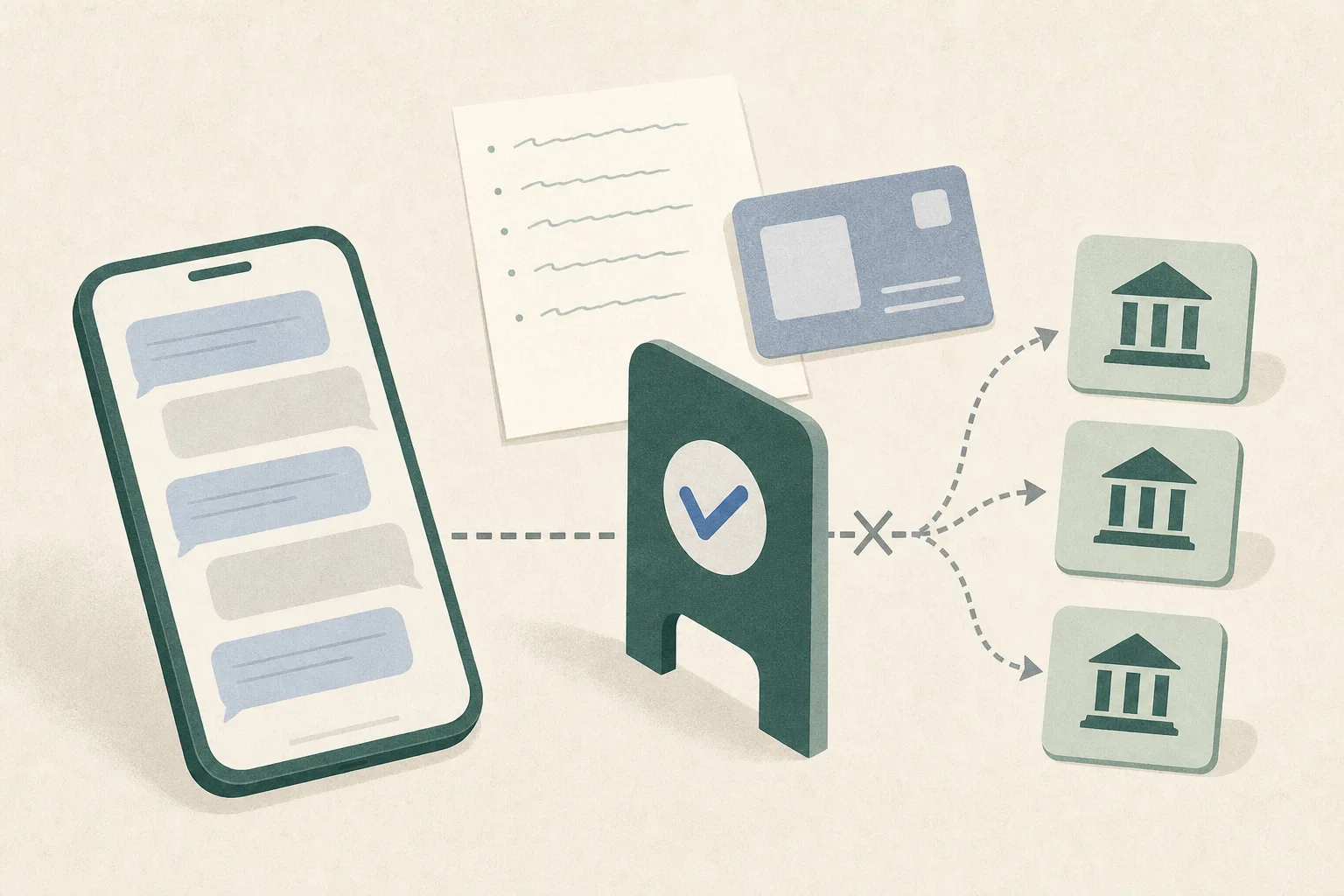
The victim, a local man in his 60s, first met the alleged fraudsters through a social-media platform before continuing the conversation on WhatsApp. Star Headline reported that the initial platform was Facebook. The fraudsters claimed to be CLP employees and promoted a high-return investment in an “environmentally friendly waste” project that they said was being carried out with State Grid Corporation of China.
The alleged investment plan was described mainly through written messages, with no website or other such information provided. The man was persuaded to transfer more than HK$1.5 million to several personal bank accounts, according to police reports carried by the two newspapers.
After he raised doubts, the fraudsters showed him a handwritten guarantee and a photograph of a forged Hong Kong identity card. He was then induced to transfer more than HK$1 million more.
The deception continued when someone claiming to work for State Grid Corporation of China contacted the man on WhatsApp. The person displayed forged staff credentials and a purported cheque worth HK$9 million, then demanded another payment to release the alleged investment profits. The man realised at that point that he had been defrauded.
The reported loss was about HK$2.8 million. Ming Pao described the amount as HK$2.8 million, while Star Headline reported that it exceeded HK$2.8 million; the reports did not give a more precise final figure.
Police advised people to verify purported employees through official channels before investing. They also warned against sharing sensitive personal information or security passwords merely because someone claims to be an employee, and urged the public to be wary of high-return or risk-free investment offers and avoid transferring money to unknown personal bank accounts.