


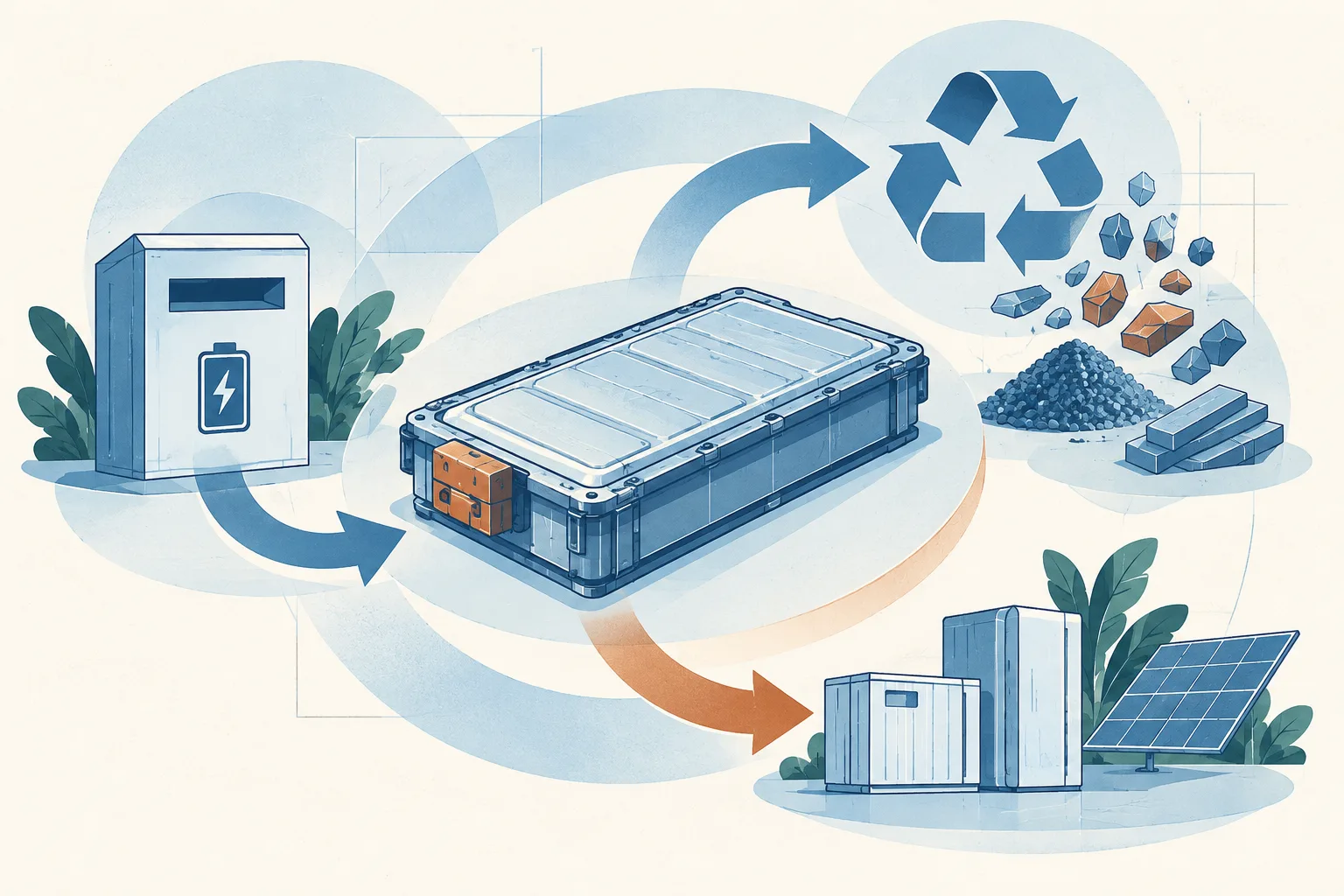
Suppliers of new electric vehicles or batteries would pay a proposed levy before distributing them, helping fund a free battery recycling service for owners. The government aims to submit legislation in 2027, with the scheme expected to be fully implemented in 2029.
The government says electric-vehicle batteries typically last five to 10 years. By the time they need replacing or recycling, their original suppliers may have closed or left the Hong Kong market, and it may be difficult to track individual vehicles and batteries. A government paper estimates about 180,000 electric vehicles are on the road. It projects retired batteries will weigh around 1,300 tonnes in 2026 and 6,700 tonnes in 2030.
The proposal covers traction batteries in battery-electric and plug-in hybrid vehicles, including private cars, taxis, motorcycles and commercial vehicles. Franchised buses are excluded. Batteries intended for a second use are also covered, although their suppliers would not pay the levy and would remain responsible for recycling them.
The proposed starting rate is HK$6 per kilogramme. For a typical 500-kilogramme battery, that would mean about HK$3,000. The rate would rise annually by HK$1.60 per kilogramme, equivalent to HK$800 a year for a 500-kilogramme battery, and would be reviewed each year.
Owners replacing a battery or scrapping a vehicle would be entitled to one free recycling service. Vehicles already on the road would be exempt from the levy but their owners would still qualify. Under the proposal, batteries could be handed in at a designated point or through a workshop or scrapyard, with owners completing a declaration. Applying to the Transport Department to cancel a vehicle’s registration would also count towards the return requirement.
Suppliers would have to register with the Environmental Protection Department and arrange recycling themselves or through a scheme operator. Scrapyards would need a waste-disposal-facility licence before removing a battery and would have to submit a declaration. Retired batteries could be sent to recyclers to make recycled black powder or products for a second use.
The government expects preparation to begin in 2028, with levy collection starting in the second half of that year.
Owners who replace a battery in mainland China could transfer the free-recycling eligibility for their old battery in Hong Kong. They would need to submit a declaration form, the new battery number and supporting documents to the Environmental Protection Department within 30 days of returning to Hong Kong.