


A sleeping site in Kowloon West recorded an apparent temperature of up to 48.5°C, while severe pest problems affected homeless people’s sleep and skin health, according to a survey by homeless support group Impact HK. The findings were published on 6 September 2026.
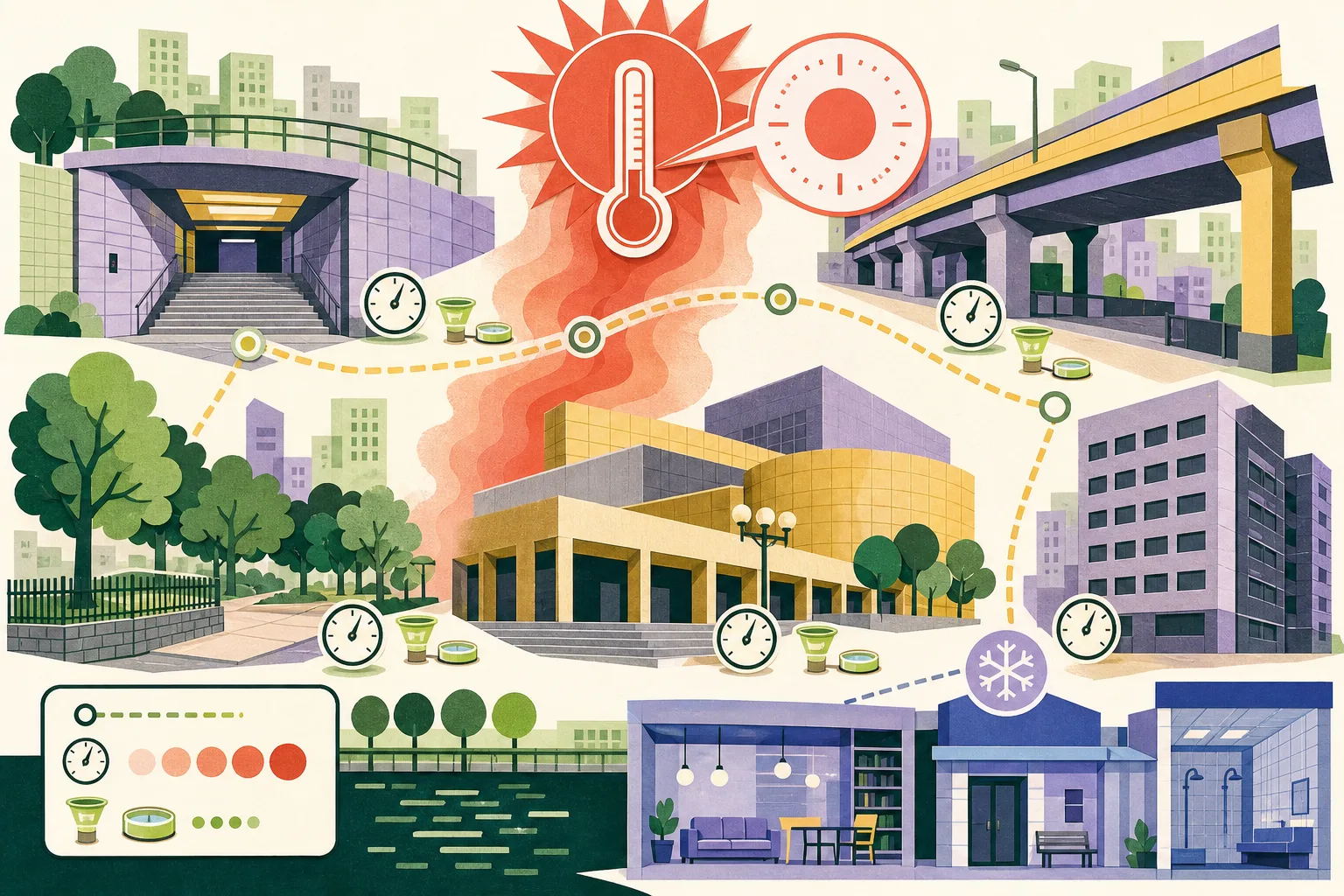
The study covered four outdoor sleeping sites — the Cherry Street pedestrian subway, Yim Po Fong Street flyover, Tung Chau Street Park and the Hong Kong Cultural Centre — with an Impact HK hostel used as a comparison site. Researchers conducted temperature, humidity and insect sampling for 15 consecutive days from July to August and collected 62 questionnaires from homeless people.
At the Yim Po Fong Street flyover and Tung Chau Street Park, the average measured temperatures were 30.7°C and 30.3°C respectively. Average apparent temperatures ranged from 37.3°C to 38.7°C, while the Yim Po Fong Street site recorded daily maximum apparent temperatures ranging from 43.0°C to 48.5°C.
The survey report classified the pest risk at the Cherry Street pedestrian subway as “extremely high” after 348 insects were captured during 14 valid monitoring periods, an average of 24.9 a day and a daily maximum of 65. Tung Chau Street Park was classified as having a “high” pest risk after 135 insects were captured over nine days, averaging 15 a day and reaching a daily maximum of 42.
Impact HK said 74% of respondents reported that pests seriously affected their sleep, while the same proportion said bites caused redness and inflammation, and in some cases bacterial infection. Reported pests included cockroaches, cited by 66.7% of respondents, rats by 59.3%, midges by 46.3%, and bedbugs and fleas by 20.4% each. All respondents sleeping near the Hong Kong Cultural Centre reported being troubled by midges.
During periods when very hot weather warnings were in force, 62.9% of respondents said their sleep quality deteriorated seriously. Another 37.1% reported frequent symptoms including dizziness, headaches and nausea, while 40.3% said they developed skin inflammation, heat rash or sores because they could not stay dry.
The report said 87% of respondents remained at their sleeping sites during typhoons, heavy rain or very hot weather warnings. Impact HK recommended that the government should not rely solely on hot weather warnings, and should open overnight cooling centres regularly in July and August, review their locations and increase their capacity.
The group also called for existing community living rooms to be opened to homeless people, dedicated facilities to be established and public bathhouse opening hours to be extended. Impact HK project manager Lee Shu-yee additionally suggested regularly distributing items such as fans, mosquito protection and ointment.