


Hong Kong police handled 30 cyber-security incident support cases between October 1 and November 24, including requests for help and cases in which officers offered assistance. Eleven involved intrusions exploiting weaknesses in application programming interfaces (APIs), 14 involved ransomware, and the remaining five included phishing and other matters. Police said a chain retailer’s website and app were attacked through an API vulnerability this month, exposing data from more than one million customers.
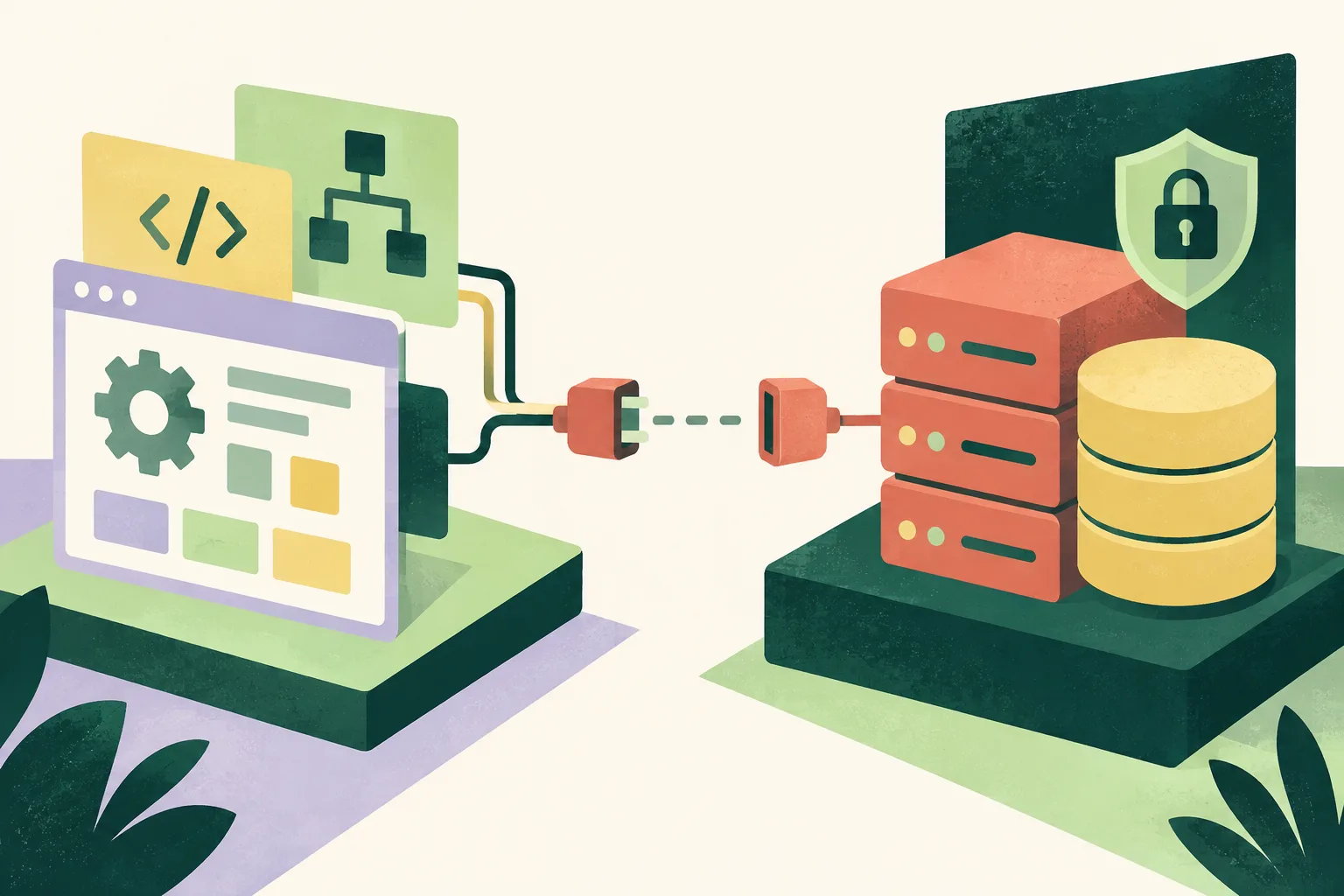
An API lets software systems exchange information. Police superintendent Hui Yee-wai said some organisations put API keys — credentials that grant access — directly into website or app source code. Attackers who inspect that code can obtain the keys and use them to reach data beyond the permissions intended by the organisation.
Police said the ransomware cases involved systems that had not been updated promptly, as well as attacks exploiting remote access or login credentials that had been leaked. Their advice to organisations included keeping sensitive information and API keys out of exposed code, checking identities and permissions, limiting login attempts and monitoring for unusual access. Test systems should be separated from live systems and taken offline when not in use.
The Office of the Privacy Commissioner for Personal Data had received 330 data-breach notifications by November 25, compared with 223 by the same date a year earlier. Of this year’s notifications, 113 arrived from October onward, while 156 involved hacking. The office said notification under the Personal Data (Privacy) Ordinance is voluntary and encouraged organisations to report incidents promptly to it and affected people.
The office also stressed that outsourcing data processing does not transfer an organisation’s responsibility to protect personal information. Police warned that criminals can use leaked details to make scams more convincing, including messages referring to someone’s purchases or travel. Officials advised people not to share bank passwords or verification codes with strangers and to check unexpected contact through official channels.