


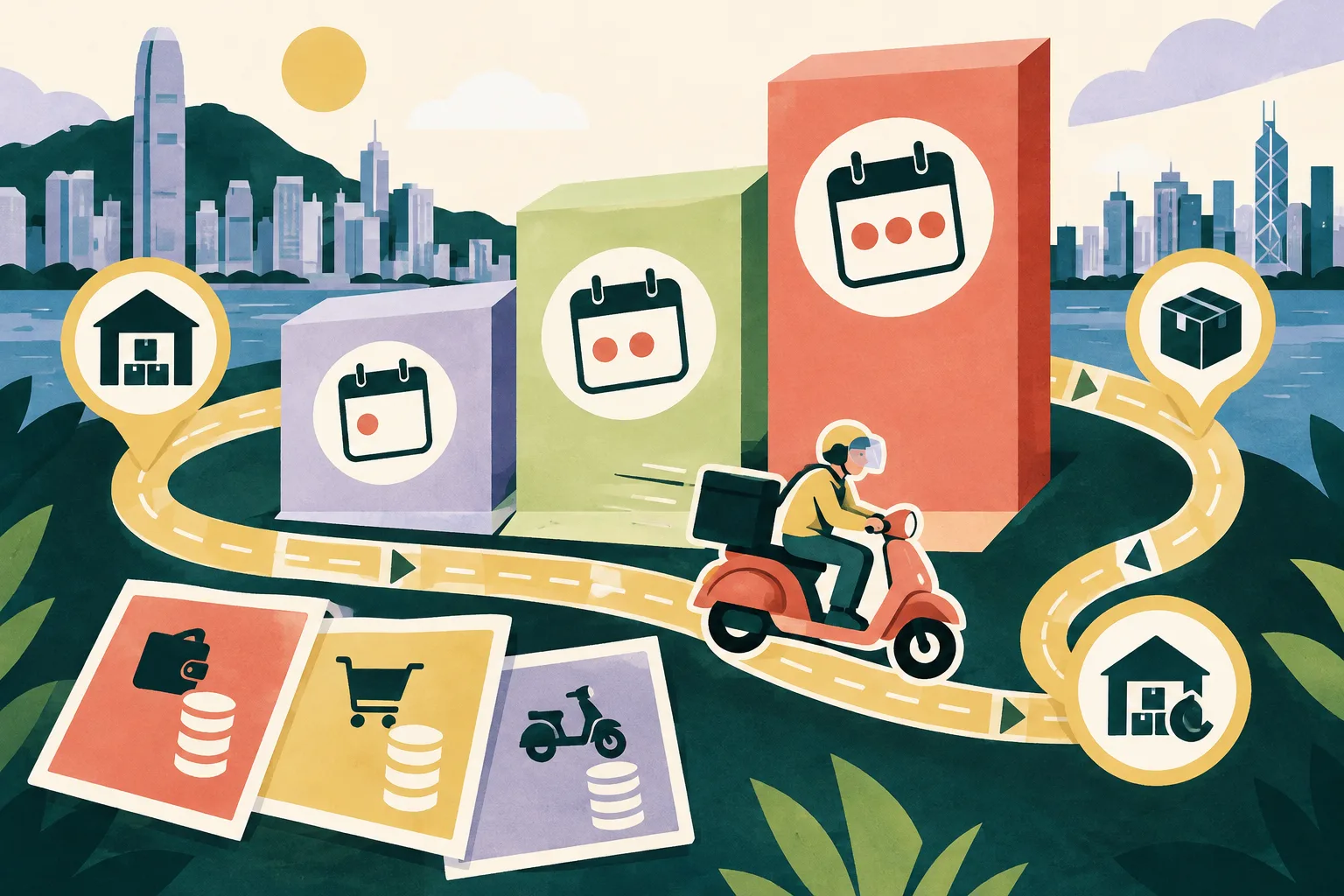
Platform workers could receive up to 12 months of paid sick leave for a work injury under a bill submitted by the Labour and Welfare Bureau. The proposed maximum is half the 24 months cited for ordinary employees.
The sick-pay period would depend on hours worked during a three-month lookback. Workers with fewer than 230 hours would be eligible for up to three months; those with 230 to 385 hours, up to six months; and those with more than 385 hours, up to 12 months.
The draft also sets out how to calculate a worker’s monthly income at the time of an accident, using earnings from different platforms over up to 90 days. It would deduct 25 per cent from income earned through the platform operator liable under the scheme, and 50 per cent from income earned through other operators if the worker was not doing a task for them when the accident happened. The adjusted total would be averaged over the 90-day period and multiplied by 30 to estimate monthly income.
For a lookback period shorter than seven days, the draft would treat it as seven days and make no deduction for costs borne by the worker. Income from the period would be divided by seven and multiplied by 30 to calculate monthly income.
The proposed coverage period would start when a worker began travelling to collect an item and continue through its delivery and the worker’s return journey to a vehicle they personally operated for the platform task. Medical expenses, death compensation and permanent-incapacity compensation would not vary according to workload or sick-pay tier.
Platforms have often treated delivery workers as self-employed or independent contractors, who generally cannot directly access work-injury protections under the existing Employees’ Compensation Ordinance, making compensation harder to pursue. The bill was scheduled for first reading and the start of second-reading debate in the Legislative Council on 9 December 2026.