


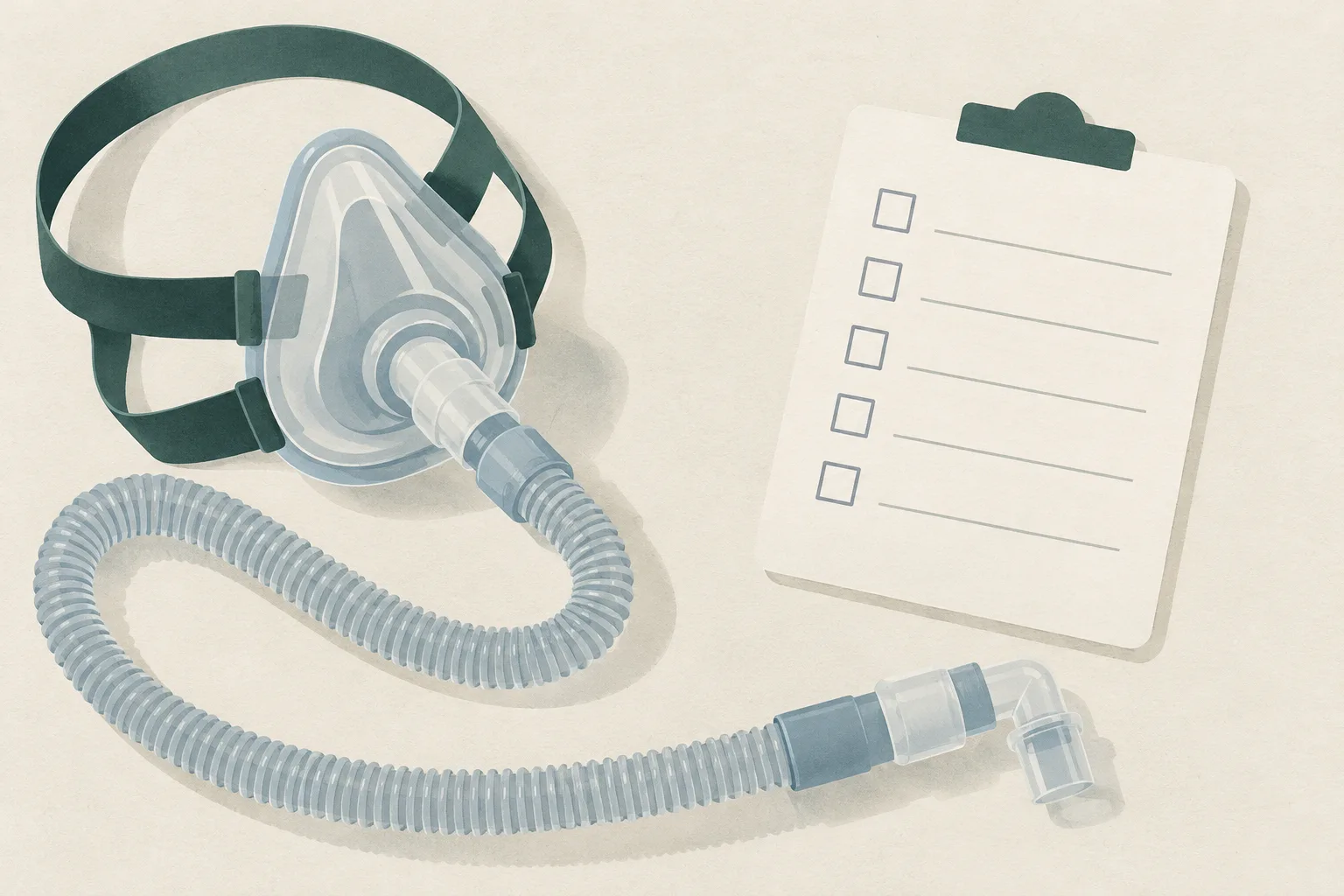
A patient's ventilator tubing came loose without triggering an alarm, and he later died after his condition deteriorated, according to a Hospital Authority case account reported by HK01. Staff found the problem and reconnected the tubing.
The patient had been admitted with pneumonia. His breathing worsened the next day, and he was given non-invasive ventilation. The Hospital Authority said the team had not completed the equipment function test and alarm checks before fitting the device.
After the tubing came loose, staff informed the patient's family and confirmed that a do-not-attempt-cardiopulmonary-resuscitation order was in place. His condition later deteriorated and he died. The account does not say that the tubing incident caused his death.
The authority recommended staff training and standard procedures and guidance for setting up non-invasive ventilators, checking their function and setting alarms. It also recommended reducing the number of ventilator models used in wards, to lower the risk of errors caused by unfamiliarity with equipment.
The case was among eight risk-alert events recorded for April to June 2026, one more than in the previous quarter, according to the authority's 83rd quarterly Risk Alert bulletin, published on October 30. Five cases involved instruments or medical materials left inside patients after surgery or an interventional procedure; one involved a medication error and two fell into other categories.
In one dental case, staff noticed a broken instrument tip while cleaning up after a wisdom-tooth removal, but could not identify the patient. A week later, a patient with wound pain went to another clinic, where an examination found and removed a fragment. The authority recommended checking instruments after procedures and using a separate tray for each patient.
In another case, a green mesh dressing was found inside a healed wound about a year after chest reconstruction and negative-pressure wound treatment. It was removed, and the patient had no other complications.