


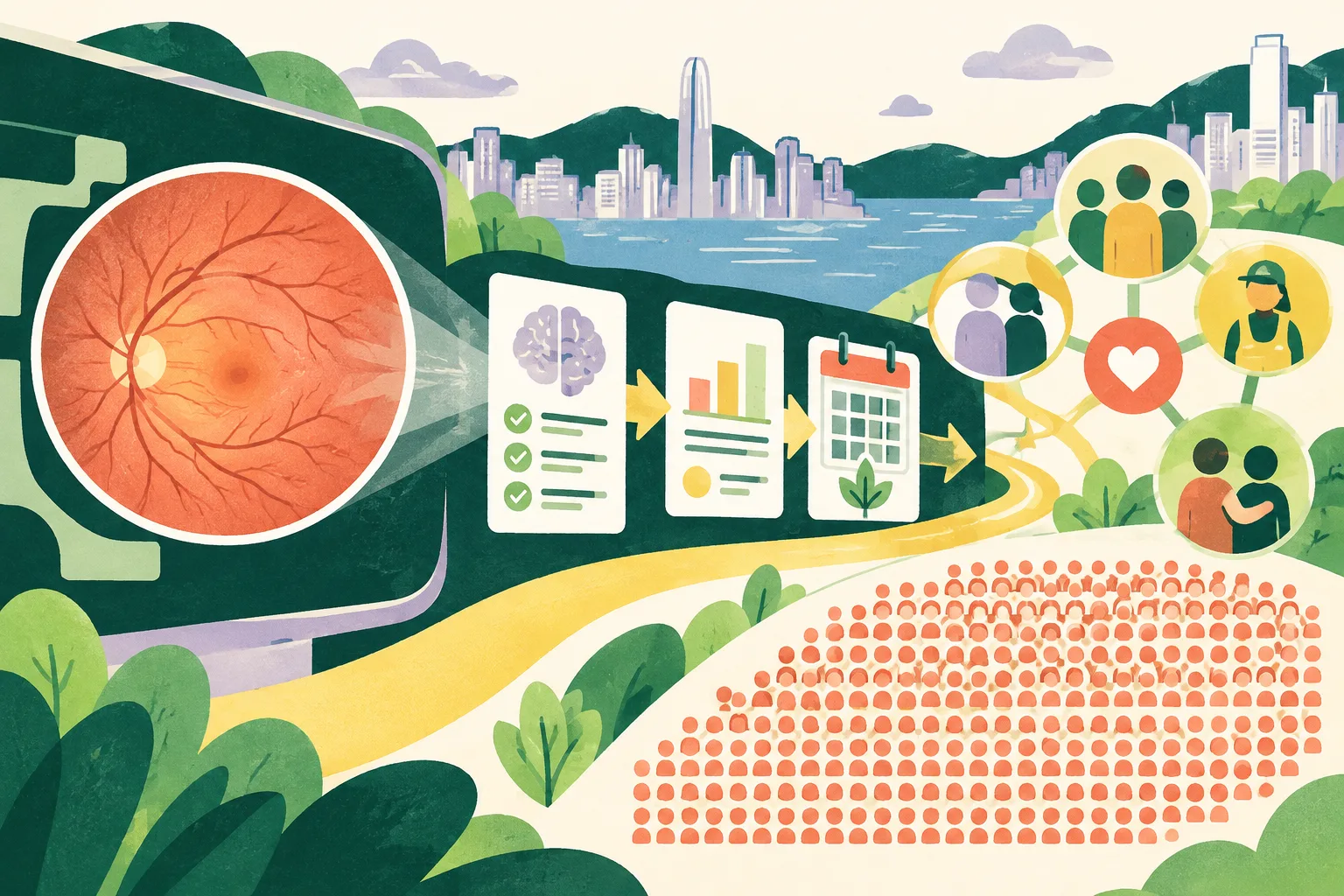
A brain-health programme led by the Faculty of Medicine, The Chinese University of Hong Kong, is due to expand to Wong Tai Sin in January 2027. The team aims to provide free assessments and structured preventive support to 2,700 older adults over two years, working with the Hong Kong Sheng Kung Hui Welfare Council.
The service is open to Hong Kong residents aged 60 to 79 who live in Wong Tai Sin and have not previously been diagnosed with dementia, a neurological disease or a disease that can lead to dementia.
The community model is planned to include face-to-face clinical assessments, regular follow-up and personalised preventive-care plans, delivered with trained social workers and healthcare workers based in the district. A programme co-director said the earlier service had mainly kept in touch with participants by telephone.
The programme grew out of a pilot launched in 2023. Its AI system analyses retinal photographs to help identify people with normal cognitive function who may have elevated Alzheimer’s disease risk. Among 831 community participants with normal cognitive function, about 21% screened positive; the team reported poorer cognitive performance among those who did.
In a one-year follow-up of 532 participants, the programme team reported that average brain-health scores improved by 1.3 points among those receiving personalised management, compared with 0.2 points among those receiving brain-health education alone. It also reported that cognitive-assessment scores in the personalised-management group were close to the level typical of people about three years younger.
The Welfare Council plans to train volunteers to accompany older residents and encourage healthy habits as part of the community support.