


The Legislative Council began a three-day combined debate on Hong Kong’s first five-year plan and the 2026 Policy Address on 7 October, with discussion ranging from implementation and renminbi use to talent and green-transition costs.
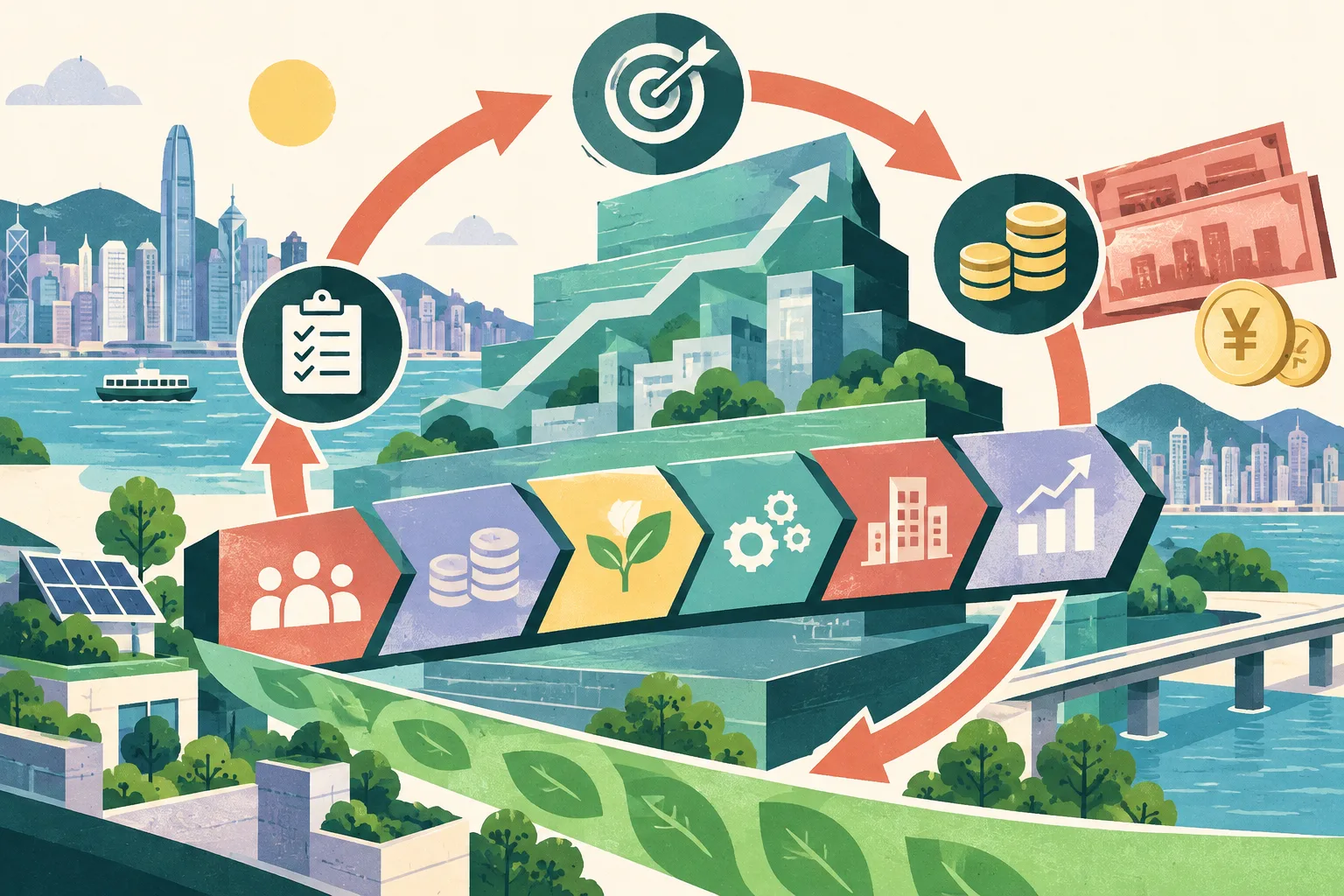
Chief Secretary Eric Chan said the Policy Address would become the annual action agenda for the 2026-2030 plan, turning its broad direction and strategic goals into specific measures. He said the Budget would provide the resources needed for delivery while maintaining fiscal sustainability, with annual reporting used to review progress. The debate is divided into six sessions, beginning with Hong Kong’s traditional economic centres, talent attraction and international competitiveness.
Renminbi use emerged as one test of how the blueprint could operate in practice. Chan Chun-ying explained that the government uses renminbi it collects to pay related expenses. He said matching income and spending could reduce exchange-rate risk and transaction costs, while government finances would remain principally denominated in Hong Kong dollars. He also suggested supporting renminbi-denominated innovation and technology bonds for companies in the Northern Metropolis. Carmen Kan Wai-mun proposed allowing renminbi payments for Northern Metropolis cross-border infrastructure procurement when suppliers agree. Another legislator suggested encouraging maritime insurance products to use the currency for settlement.
Other proposals targeted new commercial opportunities and the talent pipeline. Andrew Fan Chun-wah called for a cross-border green channel for high-value used aircraft materials, with cooperation among aviation regulators and certification bodies. A separate proposal would relax rules for admitting highly skilled workers in scarce occupations by recognising professional rankings or allowing 10 years or more of senior relevant experience to substitute for part of the academic requirement.
Steven Ho Chun-yin warned that economic growth could bypass middle-income and grassroots residents. He pointed to pressure on traditional businesses, the concentration of new enterprises in areas such as Kai Tak and the cost of green-transition measures. He said most small and medium-sized vessels could not use shore-power facilities and would remain reliant on low-sulphur diesel, which costs about HK$0.50 to HK$1 more per litre. Some individual operators, he said, had been forced to suspend operations.
The combined debate is scheduled to continue through 9 October. The government is due to respond collectively after lawmakers have spoken in each session.