


Two young people who were seeking work had their personal details used to obtain loans or credit without their knowledge, legislator Tang Ka-piu said at a press conference on October 22. He urged the Hong Kong Monetary Authority to press banks to strengthen checks that customers really are applying to borrow.
One of the cases involved Amy, a university graduate who said she found a part-time administrative-assistant job on a large employment website early in the year. The listing included an office address, and the people posing as her employers kept in touch on WhatsApp and gave her translation and clerical tasks. She said those details made the job appear legitimate.
Amy said she gave the supposed employers personal information and signed a bank direct debit authorisation while signing up for the job. In late March, she said, they directed her to a bank branch in Kwun Tong to sign documents presented as relating to financing for a mainland securities company. She said bank staff did not tell her the papers concerned a personal loan or explain its amount or repayment terms.
Several days later, Amy said, she saw a HK$400,000 loan in her banking app. The supposed employer told her it was a step for the company and promised to repay it; she then realised she had been scammed and reported the matter to police. Amy said she had received no bank notification and suspected her contact details had been changed. She also said the direct debit authorisation she signed during recruitment was used to transfer the money.
Amy said the bank initially told her she was responsible for repaying the loan. After she reported the matter to police and sought help from Tang, she said, the bank told her it was investigating and that she did not need to repay the loan for the time being.
Tang also described a case involving a Form Six student with no stable job or income. He said the student’s personal data was taken while she was looking for work, and scammers used video calls to capture her facial features before opening multiple borrowing accounts. She later found five credit cards in her banking app and unauthorised cash withdrawals; the reported total was HK$350,000. Police were investigating.
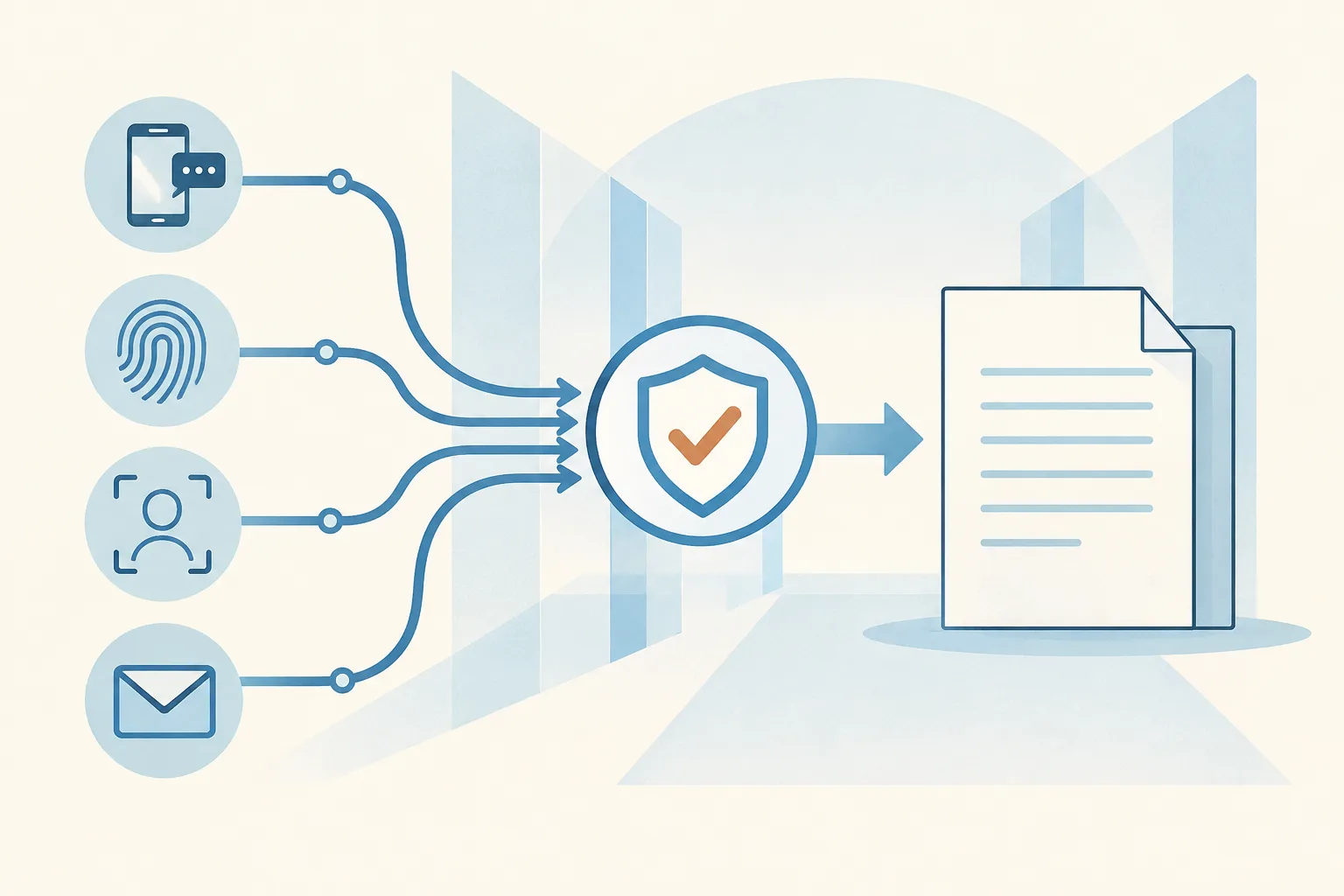
Tang proposed that banks use at least two or three methods to check a borrower’s identity and consent, such as SMS, email and banking apps. For large loans, he said, banks should verify applications using both old and new contact details. He also proposed alerts when an account is used to open multiple credit cards or loan accounts, and stronger biometric checks.
He said the original loan contract and a confirmation document should be handed to the borrower in person after approval, with the amount and basic terms clearly set out so they can refer to what they have signed.