


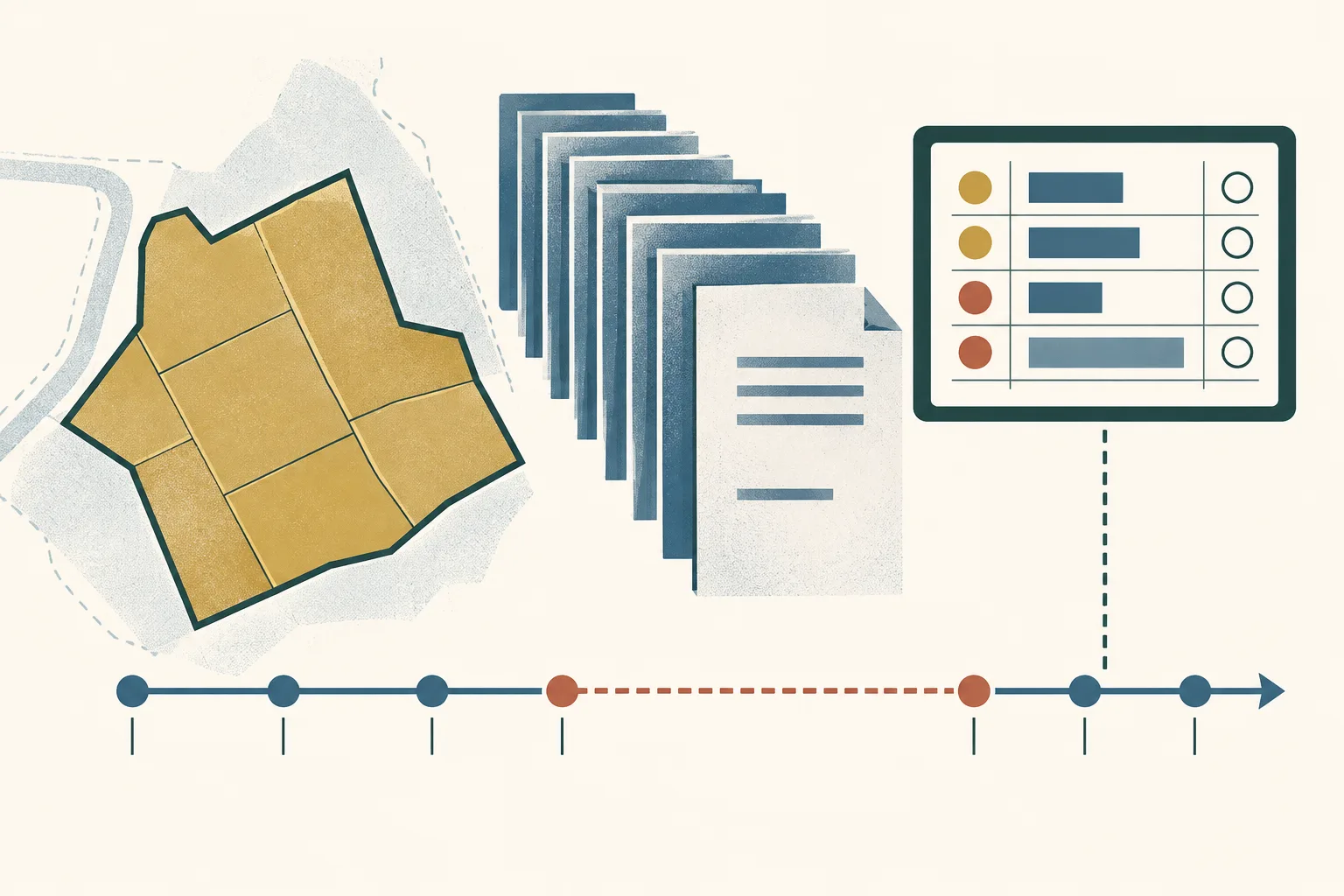
The Lands Department was processing 326 applications to modify land-lease conditions as of March 31, 2026, the Audit Commission found. Some 213—about 65 per cent—had been received more than a year earlier. The average elapsed time was 5.4 years, and the longest-running application had been pending for 29.1 years.
Completed cases also often took years. Of 903 land transactions involving lease modifications completed from 2016-17 to 2025-26, 566 took more than a year from application to execution of the land documents. They averaged 3.6 years; the longest took 21.9 years.
To examine the longest cases, the commission reviewed three completed applications and three that were still being processed. In the completed cases, the Lands Department classified periods spent waiting for information or action from applicants as “non-counting events”. Those periods lasted 8.2 to 18.4 years—about 89 to 97 per cent of the post-validation processing time—while the periods classified as “counting events” lasted 200 to 372 days.
One of the completed cases included a 14.5-year period after the applicant asked to change the type of documentation used. For six of those years, the applicant took no action and the department did not proactively follow up, the commission said. It also found a monitoring gap: although the department produced monthly reports, it had not compiled summaries to track all pending applications and flag unresolved issues that might need escalation.
The commission also cited a premium-appeal case involving as many as 12 appeals, which took more than 10 years from the first binding basic-terms offer to acceptance of the final offer. In suspected lease-breach cases, one desk investigation was unfinished more than four years after a complaint, while a proposed site inspection in another case had not been carried out more than seven years later. The commission recommended closer monitoring of backlogs, improvements to premium appeals and faster enforcement work. The Lands Department said it agreed with all the recommendations.
The Development Bureau and Lands Department told the commission that a lease modification requires negotiation over both the lease terms and the premium. They said a longer negotiation does not necessarily indicate inefficiency: agreement must be mutual, and the department has a duty to protect government revenue.