


Vincent Cheng Wing-shun proposed a more systematic way to identify sporting talent in primary and secondary schools and tertiary institutions. Hong Kong won 54 medals at the Nagoya Asian Games.
Cheng said some children aged 8 to 14 may have sporting potential that goes unnoticed. He wants more satellite training centres where young athletes could begin specialist training before entering the Hong Kong Sports Institute Limited, with physical conditioning, sports-medicine support and guidance on preventing injuries.
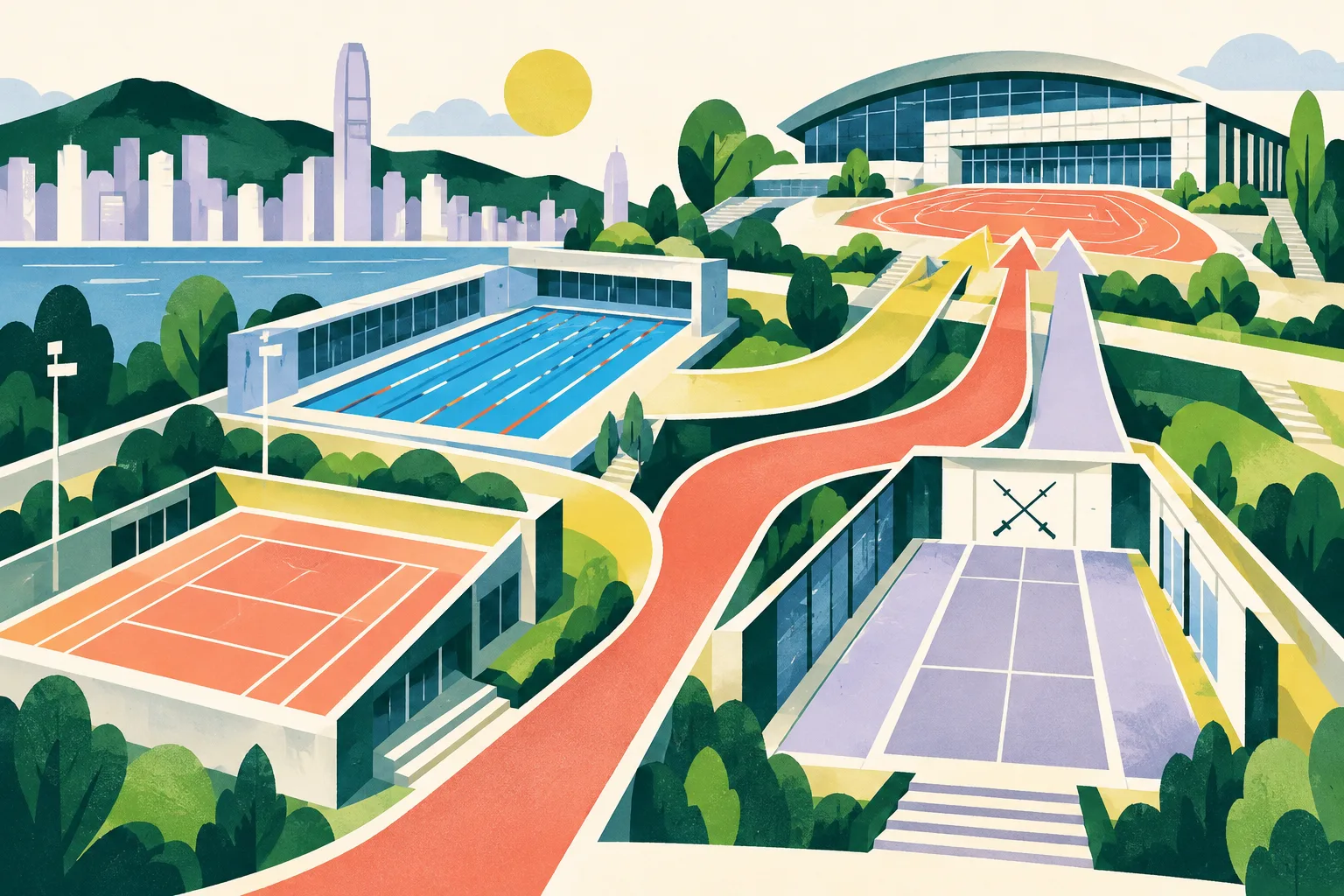
He also suggested building youth-training programmes into planned fencing and swimming facilities in Kwu Tung North, and into tennis courts at Victoria Park.
Training space is another constraint. Cheng said public demand and professional athletes’ training needs were competing for limited venues. He proposed adding facilities, improving how space is allocated between the two groups and considering public-private operation. Shopping-mall pickleball courts, he said, showed how privately run sports venues could work.
Compared with five years earlier, he said, the number of elite athletes had risen by nearly 60%, while full-time athletes had increased by nearly 40% to almost 800. He said the breakthrough in medal numbers reflected the effects of government and institute investment in elite training over the past five years.
Cheng, who is also vice-chairman of the Major Sports Events Committee, said Hong Kong hosted more than 20 major sports events this year. Organisers are to submit reports prepared by independent third parties, detailing the visitors and economic spending generated by their events, for the committee to assess.